What Are Proton Mail Addresses
A Proton Mail address is an email account provided by Proton, a Swiss-based company specializing in encrypted communications. These addresses follow the format username@protonmail.com or username@proton.me. Unlike conventional email services, Proton Mail implements zero-access encryption, meaning Proton's servers cannot access your message content. When you send an email through Proton Mail, the message is encrypted on your device before transmission. Recipients using Proton Mail receive messages already encrypted, while external recipients can access encrypted messages through a secure link. This architecture ensures your communications remain private regardless of recipient email provider.
Proton Mail Pricing and Plans
Proton Mail offers multiple pricing tiers to accommodate different user needs. The Free plan includes basic encrypted email functionality with limited storage and features. The Mail Plus subscription adds custom domain support, allowing you to use your own email address with Proton's encryption. The Professional and Visionary plans expand storage capacity and include additional Proton services like VPN and calendar access. Annual subscriptions typically offer better value than monthly billing. Proton Mail pricing varies by region and plan tier, with options ranging from completely free to premium enterprise solutions. Each tier maintains the same encryption standards, so security doesn't depend on which plan you choose.
Proton Mail vs Gmail Comparison
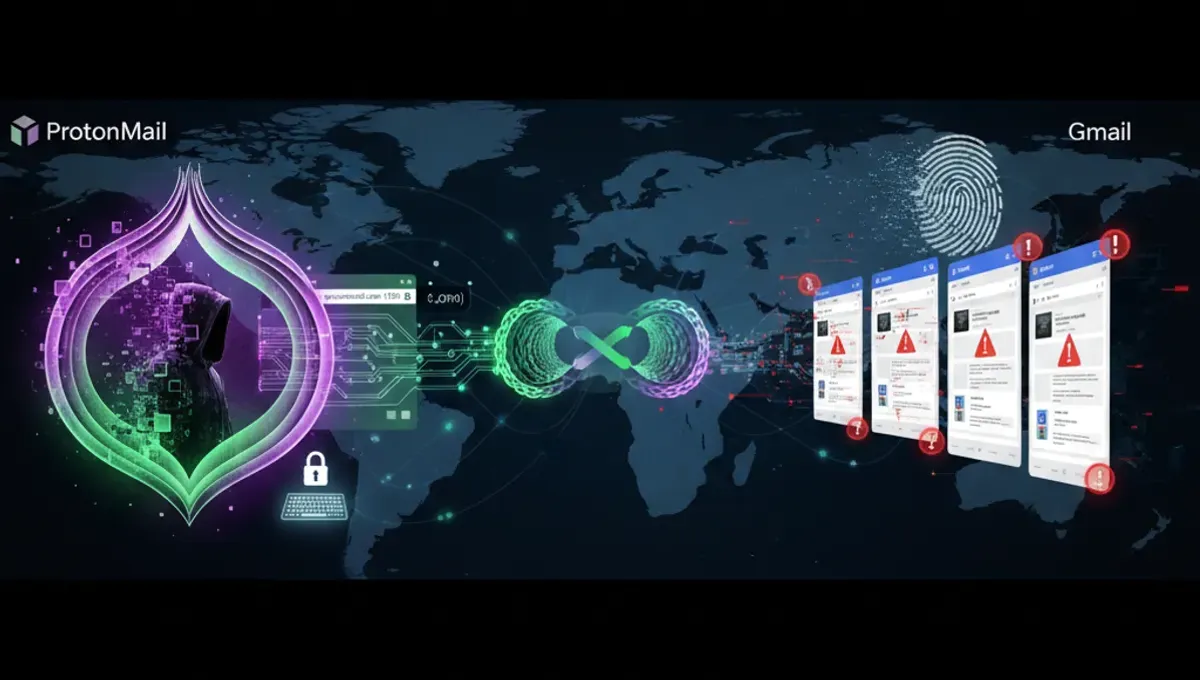
Proton Mail and Gmail serve different priorities. Gmail offers superior integration with Google's ecosystem, unlimited storage, and powerful search capabilities, but Google scans message content for advertising purposes. Proton Mail prioritizes privacy through encryption, preventing even Proton from reading your messages, but offers less storage on free plans and limited integration with third-party services. Gmail's interface feels more familiar to most users, while Proton Mail's design emphasizes security controls. Gmail works seamlessly across Android devices and Google services, whereas Proton Mail requires dedicated apps or web access. For users prioritizing privacy over convenience, Proton Mail addresses provide stronger protection. For users needing broad compatibility and storage, Gmail remains the practical choice.
Proton Mail Alternatives
Several encrypted email services compete with Proton Mail. Tutanota offers similar end-to-end encryption with a clean interface and competitive pricing. Fastmail provides excellent email management tools with optional encryption features. StartMail focuses on privacy with a straightforward approach to encrypted communication. Mailbox.org combines encryption with extensive storage and calendar integration. Each alternative has distinct strengths: some emphasize simplicity, others offer better storage, and some provide superior calendar or contact management. When evaluating Proton Mail alternatives, consider your specific needs around storage capacity, integration requirements, user interface preferences, and budget constraints. Many users maintain multiple email addresses across different providers for different purposes.
Creating and Managing Proton Mail Addresses
Setting up a Proton Mail address requires visiting the Proton website and completing their registration process. You'll choose your username, create a strong password, and optionally add recovery information. Proton Mail allows creating multiple addresses within a single account on paid plans, useful for organizing different communication purposes. Managing your Proton Mail address involves configuring security settings like two-factor authentication, setting up recovery methods, and organizing folders and labels. The Proton Mail interface lets you create filters, set up auto-replies, and manage forwarding rules. You can also configure custom domains on paid plans, replacing the default @protonmail.com or @proton.me address with your own domain name while maintaining encryption benefits.
Security Features of Proton Mail Addresses
Proton Mail addresses include multiple security layers beyond basic encryption. Two-factor authentication adds an extra verification step when logging in. Proton's zero-knowledge architecture means they cannot access your messages even if compelled by legal requests. The platform uses industry-standard encryption protocols to protect data in transit and at rest. Proton Mail addresses support sending encrypted messages to non-Proton users through secure links, though these require password protection. The service includes automatic expiration settings for messages, allowing you to set time limits on message access. Proton Mail also provides detailed security logs showing login activity and device access, helping you identify unauthorized access attempts.
Proton Mail Address Privacy Considerations
While Proton Mail addresses offer strong encryption, privacy extends beyond message content. Proton Mail collects minimal metadata compared to conventional email providers, though they do log IP addresses for security purposes. The company's privacy policy emphasizes data minimization, storing only information necessary for service operation. Proton Mail's Swiss jurisdiction provides additional privacy protections under Swiss law. However, recipients of your encrypted messages may not maintain the same privacy standards, and metadata like sender/recipient addresses and timestamps remain visible to email infrastructure. For maximum privacy, consider using Proton Mail with a VPN service to mask your IP address. Understanding that encryption protects message content but not all metadata helps you make informed privacy decisions.
Frequently asked questions
Can I use a Proton Mail address with other email clients?
Yes, Proton Mail addresses work with third-party email clients through IMAP and SMTP protocols. However, encryption features are limited when using external clients. Messages sent through Proton's web interface or official apps maintain full encryption, while external clients may not support all security features. For optimal encryption protection, use Proton Mail's official applications.
How many Proton Mail addresses can I create?
The Free plan allows one Proton Mail address. Mail Plus and higher-tier subscriptions enable creating multiple addresses within a single account. This feature helps organize different communication purposes while maintaining a single account for management. Each address maintains independent encryption and security settings.
Is Proton Mail completely free?
Proton Mail offers a free tier with basic encrypted email functionality, limited storage, and standard features. Paid plans unlock additional storage, custom domains, multiple addresses, and integration with other Proton services. The free plan provides genuine encryption protection, though with reduced capacity compared to premium options.
What happens if I forget my Proton Mail password?
Proton Mail's zero-knowledge encryption means they cannot recover your password or access your account without it. You can reset your password using recovery methods you set during account creation, such as a recovery email or phone number. Without recovery information, account access becomes impossible, emphasizing the importance of secure password management.
Can recipients read encrypted Proton Mail messages?
Proton Mail recipients with Proton accounts automatically receive decrypted messages. Non-Proton recipients receive a secure link to access encrypted messages through a web interface using a password you provide. This ensures encryption protection regardless of the recipient's email provider, though they must complete an additional step to read your message.