What Are Tor Dark Web Sites
Tor dark web sites are websites accessible only through the Tor browser, using .onion domain extensions. These sites route traffic through multiple encrypted relays, masking user IP addresses and location data. The dark web isn't inherently illegal; many sites serve journalists, activists, and privacy-conscious users. However, the anonymity also attracts illegal marketplaces. Understanding the distinction between legitimate privacy tools and criminal platforms is essential for navigating this space safely. Most dark web sites operate without traditional domain registrars, making verification difficult.
Best Dark Web Sites for Privacy
Legitimate dark web sites include privacy-focused forums, whistleblowing platforms, and uncensored news outlets. ProPublica maintains a Tor mirror for journalists in restricted regions. The Library Genesis project provides academic access. Privacy-oriented communities discuss security practices and digital rights. These sites attract users seeking anonymity for legitimate reasons: avoiding surveillance, accessing information in censored countries, or protecting sensitive communications. Verification matters significantly since impersonation is common. Established communities maintain reputation systems and moderation to distinguish themselves from scams. Always cross-reference information across multiple sources before trusting any single dark web resource.
How .Onion Sites Work
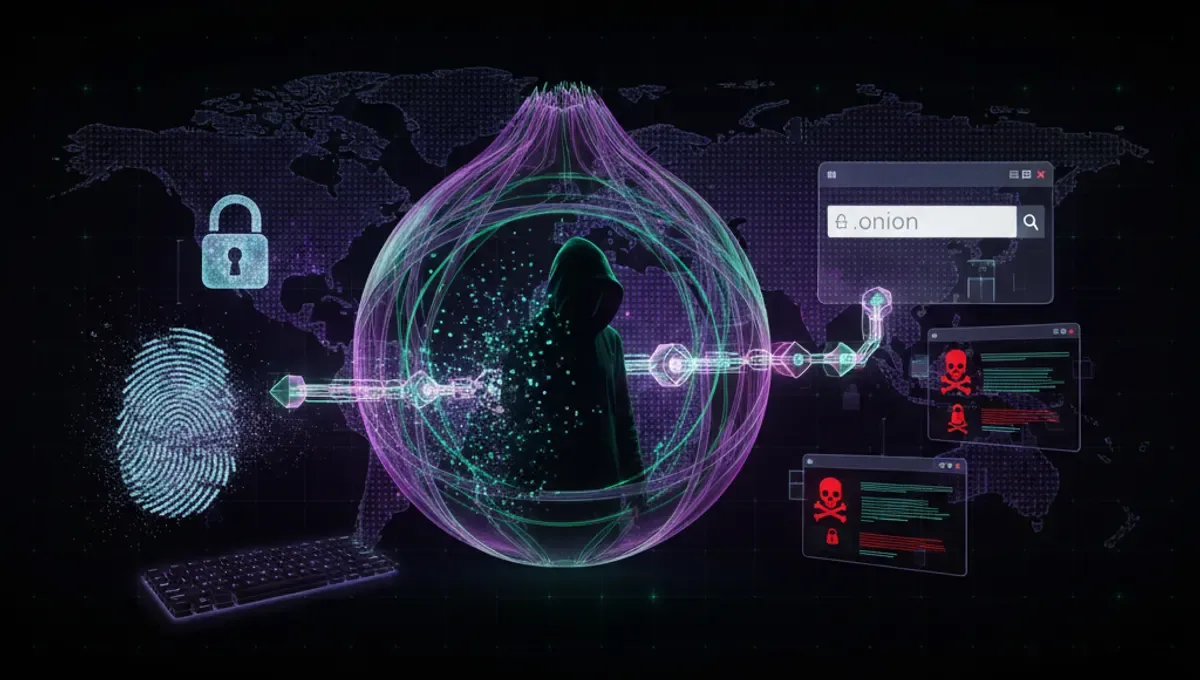
.onion domains use Tor's hidden service protocol, creating addresses that are cryptographically generated and difficult to trace. These addresses appear as random character strings like 'thehiddenwiki.onion'. The Tor network routes requests through multiple nodes, with each layer decrypting only the next destination. This multi-layer encryption gives Tor its name, referencing an onion's layers. Site operators can remain anonymous while hosting content. However, this anonymity cuts both ways: users cannot verify legitimacy through traditional means like SSL certificates or domain ownership records. The protocol ensures privacy but doesn't guarantee trustworthiness of the content or operators.
Risks of Accessing Dark Web Sites
Accessing dark web sites carries significant risks beyond legal concerns. Malware distribution is common, with many sites hosting infected files or drive-by downloads. Scams proliferate, with fake marketplaces stealing cryptocurrency or personal information. Law enforcement operates honeypot sites to identify criminal activity. Even legitimate sites may be compromised. The Tor browser itself can be vulnerable if not kept updated. Phishing attempts target dark web users through fake login pages and impersonation. Additionally, your Internet Service Provider can detect Tor usage even if they cannot see your traffic content. Using a VPN before Tor adds a layer of protection but introduces trust considerations with the VPN provider.
Dark Web Sites 2025 Landscape
The dark web ecosystem continues evolving with increased law enforcement activity and improved security practices among legitimate communities. Many established marketplaces have been shut down, though new ones emerge regularly. Privacy-focused communication platforms gain adoption as mainstream services face scrutiny. Academic and journalistic use of Tor remains steady, with news organizations maintaining mirror sites. Cryptocurrency integration deepens, though regulatory pressure increases. The distinction between dark web sites for legitimate privacy and those facilitating crime becomes sharper as platforms implement moderation. Decentralized alternatives to centralized dark web marketplaces are emerging. Understanding current trends helps users distinguish between established communities and new scams.
Safe Practices for Dark Web Navigation
If accessing the dark web, fundamental security practices are non-negotiable. Keep your Tor browser updated to patch vulnerabilities. Disable JavaScript in Tor browser settings to prevent fingerprinting. Use a dedicated device or virtual machine to isolate dark web activity. Never maximize your browser window, as screen resolution can aid identification. Assume every site could be a scam or honeypot. Never download files unless absolutely necessary, and scan them with multiple antivirus tools. Avoid mixing Tor and non-Tor traffic on the same session. Use strong, unique passwords for any dark web accounts. Consider using cryptocurrency tumbling services if conducting transactions, though this adds complexity and risk. Never trust a site based on appearance alone.
Legal Considerations
Using Tor itself is legal in most countries, though some nations restrict or monitor its use. Accessing dark web sites becomes illegal when the content or transactions violate local laws. Viewing illegal content, purchasing restricted items, or engaging in criminal activity carries serious legal consequences. Law enforcement agencies globally have successfully prosecuted dark web users through traffic analysis, malware injection, and operational security failures. Even accessing sites hosting illegal content can constitute a crime in some jurisdictions. Your ISP may flag Tor usage, and authorities can subpoena connection logs. Understanding your local laws before accessing the dark web is essential. Consulting legal counsel about specific activities is advisable if you have concerns.
Frequently asked questions
Is it illegal to access Tor dark web sites?
Accessing Tor itself is legal in most countries. However, accessing specific dark web sites becomes illegal if they host illegal content or facilitate criminal transactions. Many legitimate sites exist for privacy and journalism. The legality depends on what you access and your jurisdiction's laws, not on using Tor technology itself.
How do I access dark web sites safely?
Use the official Tor browser, keep it updated, and disable JavaScript. Use a dedicated device or virtual machine. Never maximize your browser window. Assume all sites could be scams. Never download files unless necessary. Avoid mixing Tor with regular browsing. Never trust sites based on appearance. Consider using a VPN before Tor for additional protection.
What are legitimate uses for dark web sites?
Journalists access uncensored news sources in restricted countries. Activists communicate safely from oppressive regimes. Whistleblowers report corruption anonymously. Privacy advocates discuss security practices. Researchers study online anonymity. Academic communities share knowledge. These legitimate uses coexist with illegal marketplaces on the same network infrastructure.
Can I be traced using Tor dark web sites?
Tor provides strong anonymity, but it's not perfect. Law enforcement uses traffic analysis, malware injection, and operational security mistakes to identify users. Your ISP can detect Tor usage. Combining Tor with poor security practices, revealing personal information, or using the same username across sites increases traceability risk significantly.
Are dark web sites 2025 safer than previous years?
Increased law enforcement activity has eliminated many criminal marketplaces, but new ones emerge. Legitimate communities have improved security practices and moderation. However, scams remain prevalent. The landscape shifts constantly. No dark web site is inherently safe; risk assessment requires research and caution regardless of the year or site's apparent reputation.