How VPNs Hide Your IP Address
A VPN routes your internet connection through a remote server, replacing your real IP address with the VPN server's address. This prevents websites from seeing your actual location and ISP. However, the VPN provider itself sees your real IP address when you connect. If the VPN keeps logs of user activity and IP addresses, this information could theoretically be accessed by law enforcement or hackers. Choosing a no-log VPN provider reduces this risk, though you must trust their privacy claims.
What Information Can Still Be Traced
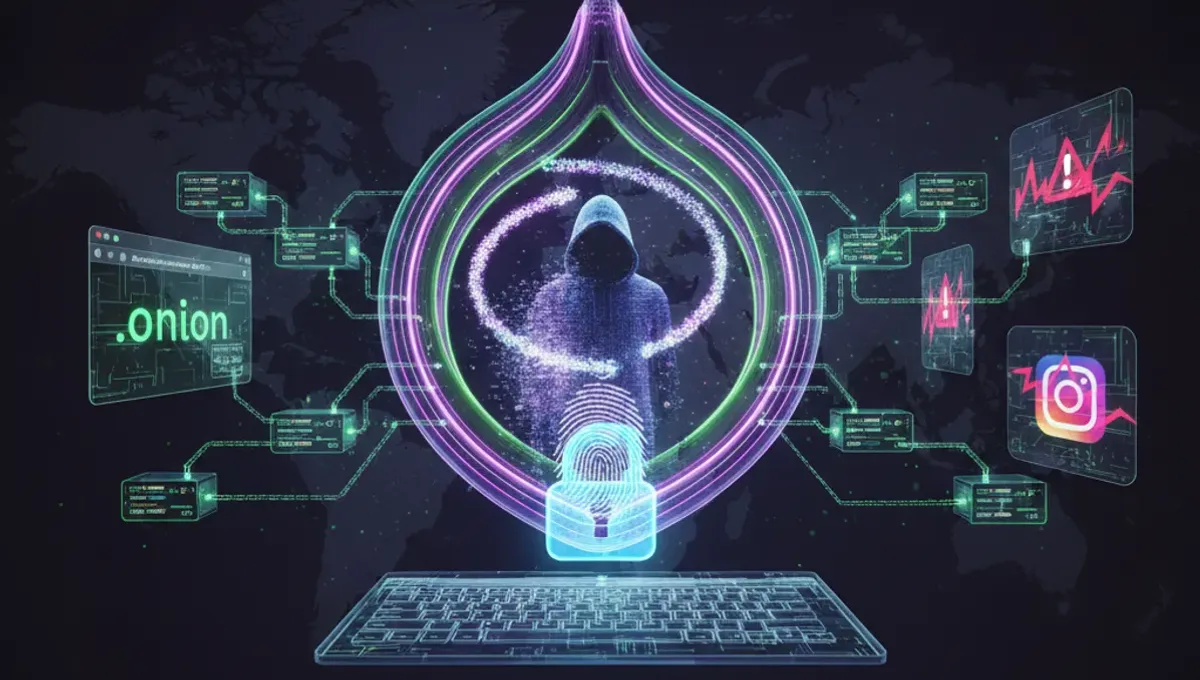
Even with a VPN active, several data points remain traceable. Your ISP can see that you're using a VPN but not what you're doing inside it. Websites can track you through cookies, browser fingerprinting, and login credentials. If you log into social media accounts or email while using a VPN, those services can connect your activity to your identity. DNS queries may leak your browsing habits if not properly configured. Browser extensions and plugins can bypass VPN encryption entirely, revealing your real IP address.
VPN Provider Vulnerabilities
Your VPN provider has access to all your unencrypted traffic once it passes through their servers. They can see which websites you visit, though not the specific pages or content you access. If a VPN company is compromised by hackers or subpoenaed by authorities, your data becomes vulnerable. Some VPN providers have been caught maintaining logs despite claiming otherwise. Additionally, free VPN services often monetize user data by selling it to advertisers or data brokers, defeating the purpose of using a VPN for privacy.
Can You Change Your IP Address Without a VPN
Yes, you can change your IP address through several methods. Restarting your router may assign you a new dynamic IP from your ISP. Some ISPs allow you to request a new IP address through their customer portal. Proxy servers work similarly to VPNs but offer less encryption. Tor browser routes traffic through multiple nodes, providing stronger anonymity than VPNs but with slower speeds. Each method has different privacy implications and trade-offs between security and performance.
Metadata and Behavioral Tracking
VPNs protect your IP but not metadata about your online behavior. Timestamps, file sizes, and connection patterns can reveal what you're doing even if the content is encrypted. Your device's unique identifiers, like MAC addresses and hardware fingerprints, remain unchanged. If you use the same username across platforms, websites can track you regardless of IP address. Social media platforms like Instagram track user behavior through pixels and cross-site tracking, which a VPN cannot prevent. This is why deleting Facebook account or limiting social media presence provides additional privacy benefits.
Legal and Technical Limitations
VPNs operate in legal gray areas depending on your jurisdiction. Some countries restrict or ban VPN usage entirely. Even in countries where VPNs are legal, law enforcement can compel VPN providers to hand over user data or install monitoring software. Courts have ruled that VPN usage alone doesn't guarantee legal protection for illegal activities. Technically, advanced surveillance methods like malware or network-level monitoring can bypass VPN encryption. Understanding these limitations helps you recognize that a VPN is one privacy tool among many, not a complete solution.
Best Practices for Enhanced Privacy
Combine VPN usage with other privacy measures for better protection. Use strong, unique passwords and enable two-factor authentication on important accounts. Clear cookies regularly and consider using privacy-focused browsers. Disable location services and limit app permissions on your devices. Be cautious about what information you share publicly on social media. If you're concerned about hashtag tracking on Instagram or other platforms, understand that hashtags are public by design and can be followed by anyone. Regularly review privacy settings across all online accounts and services you use.
Frequently asked questions
Does a VPN hide my IP address from websites?
Yes, websites see the VPN server's IP address instead of your real one. However, they can still identify you through cookies, login credentials, and browser fingerprinting. Your ISP knows you're using a VPN but not your destination websites.
Can my VPN provider see what I'm doing online?
Your VPN provider can see which websites you visit but typically not the specific content you access. They have access to your real IP address and connection logs. This is why choosing a reputable no-log VPN provider matters for privacy.
Is a VPN enough for complete anonymity?
No. A VPN is one privacy tool but not sufficient alone. Combine it with other measures like strong passwords, privacy-focused browsers, and limiting social media exposure. Understand that metadata, behavioral patterns, and login information can still reveal your identity.
What's the difference between a VPN and changing my IP address?
A VPN masks your IP while encrypting traffic. Changing your IP through your ISP or router only replaces your address without encryption. VPNs offer more comprehensive privacy protection but require trusting the VPN provider with your data.
Can law enforcement trace me through a VPN?
Law enforcement can compel VPN providers to hand over user data or logs if they exist. Advanced surveillance methods can potentially bypass VPN encryption. VPN usage doesn't guarantee legal protection for illegal activities in any jurisdiction.