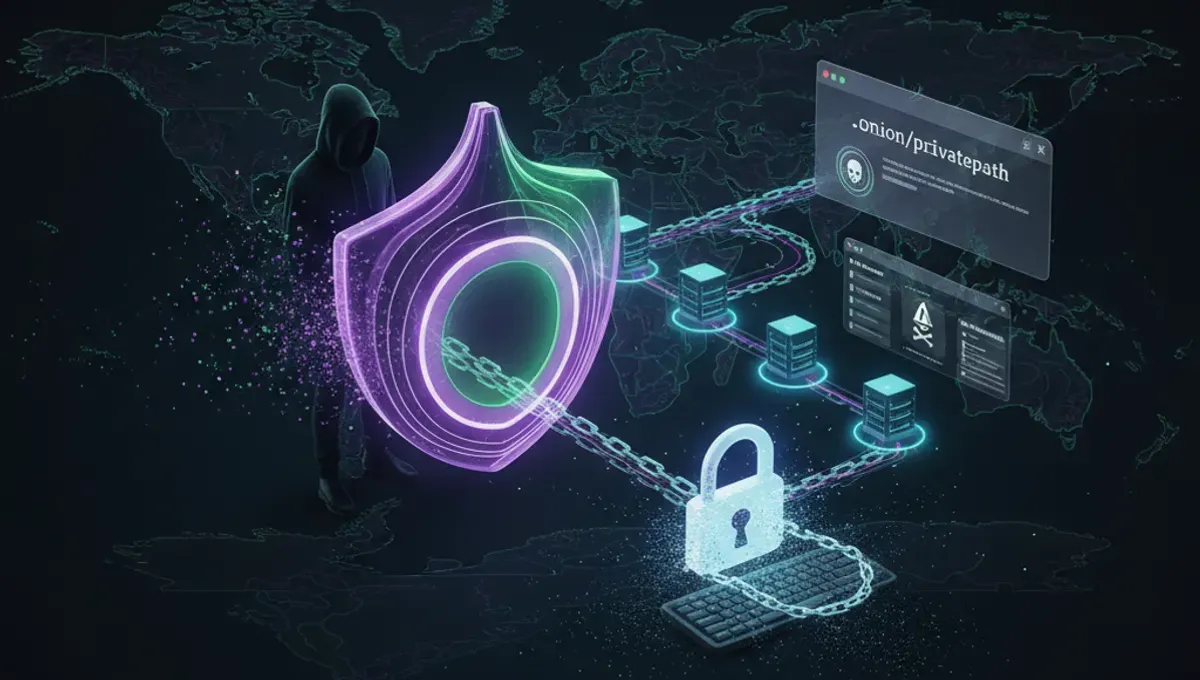
How VPNs Mask Your Identity
A VPN works by routing your internet traffic through an encrypted tunnel to a remote server. Your ISP and local network administrators see only that you're connected to a VPN, not the websites you visit. Your real IP address is replaced with the VPN server's IP address. However, this doesn't mean you're completely invisible. The VPN provider itself can see your traffic, and if they keep detailed logs, that information could potentially be accessed by law enforcement with proper legal authority. No-log policies are crucial here, though verifying them independently is difficult.
Can You Still Be Traced With VPN
Yes, you can still be traced with a VPN under certain circumstances. If the VPN provider keeps logs and is compelled by law enforcement to hand them over, your identity could be revealed. Additionally, if you log into personal accounts while using a VPN, those services can connect your activity to your identity. Browser fingerprinting, cookies, and tracking pixels can also compromise your anonymity. Your own behavior online matters too—visiting sites that require personal information or using the same username across platforms creates a digital trail that exists independently of your VPN connection.
VPN Limitations and Vulnerabilities
VPNs have inherent limitations. DNS leaks can expose your queries even while connected. WebRTC leaks can reveal your real IP address through browser vulnerabilities. If your VPN connection drops unexpectedly, your unencrypted traffic may be exposed. Some VPN providers have been compromised or have poor security practices. Additionally, can wifi owner see what sites i visit vpn—the answer is no if you're using a VPN, but your WiFi provider can still see that you're using a VPN and potentially when you're online. The strength of your protection depends heavily on choosing a reputable VPN with transparent policies and robust security.
Legal and Law Enforcement Considerations
Law enforcement agencies have successfully obtained VPN user information when providers maintain logs. In some jurisdictions, VPN providers are required by law to retain user data. The legality of VPN use varies by country, though using a VPN itself is legal in most places. However, using a VPN to commit crimes doesn't protect you—authorities can still investigate and potentially trace your activities. The key difference is that a VPN makes casual tracking harder, but determined actors with legal authority can still pursue investigations through proper channels.
Can You Change Your IP Address
Yes, you can change your IP address in several ways. Using a VPN is one of the most straightforward methods—it replaces your IP with the VPN server's address. You can also disconnect and reconnect to your internet connection, which often assigns a new dynamic IP from your ISP. Proxy services work similarly to VPNs but with less encryption. The Tor network provides additional anonymity layers. However, changing your IP address doesn't guarantee complete privacy if other identifying information is exposed. Combining IP address changes with good operational security practices provides better protection than relying on any single method.
Best Practices for VPN Privacy
To maximize your privacy with a VPN, choose a provider with a verified no-log policy and strong encryption standards. Enable kill switches to prevent data leaks if your connection drops. Disable WebRTC in your browser and use DNS leak testing tools regularly. Avoid logging into personal accounts while using a VPN if you want to maintain anonymity. Consider using Tor for maximum anonymity, though it's slower. Keep your VPN software updated and use strong, unique passwords. Be aware that no tool provides perfect privacy—your own behavior and choices significantly impact your actual security and anonymity online.
Frequently asked questions
Can police trace a VPN connection?
Law enforcement can potentially trace a VPN connection if the provider maintains logs and is compelled by court order to release them. However, VPN providers with strict no-log policies make this significantly harder. The ability to trace depends on jurisdiction, the VPN provider's policies, and whether legal authority is involved.
Does using a VPN hide my activity from my ISP?
Yes, a VPN encrypts your traffic so your ISP cannot see the websites you visit. However, they can see that you're using a VPN and when you're online. They cannot see the content of your communications or the specific sites you access.
What's the difference between a VPN and Tor?
A VPN routes traffic through one encrypted server, while Tor routes it through multiple nodes for additional anonymity. Tor is slower but provides stronger anonymity. VPNs are faster but depend entirely on the provider's trustworthiness. Both have different use cases and security profiles.
Can a VPN be hacked or compromised?
Yes, VPN providers can be hacked, though reputable ones invest heavily in security. Some providers have been compromised in the past. This is why choosing established providers with good security records and independent audits is important for protecting your data.
Is it illegal to use a VPN?
Using a VPN is legal in most countries, including the United States and Europe. However, some countries restrict or ban VPN use. Using a VPN to commit crimes is illegal regardless of location. Always check local laws in your jurisdiction before using a VPN service.