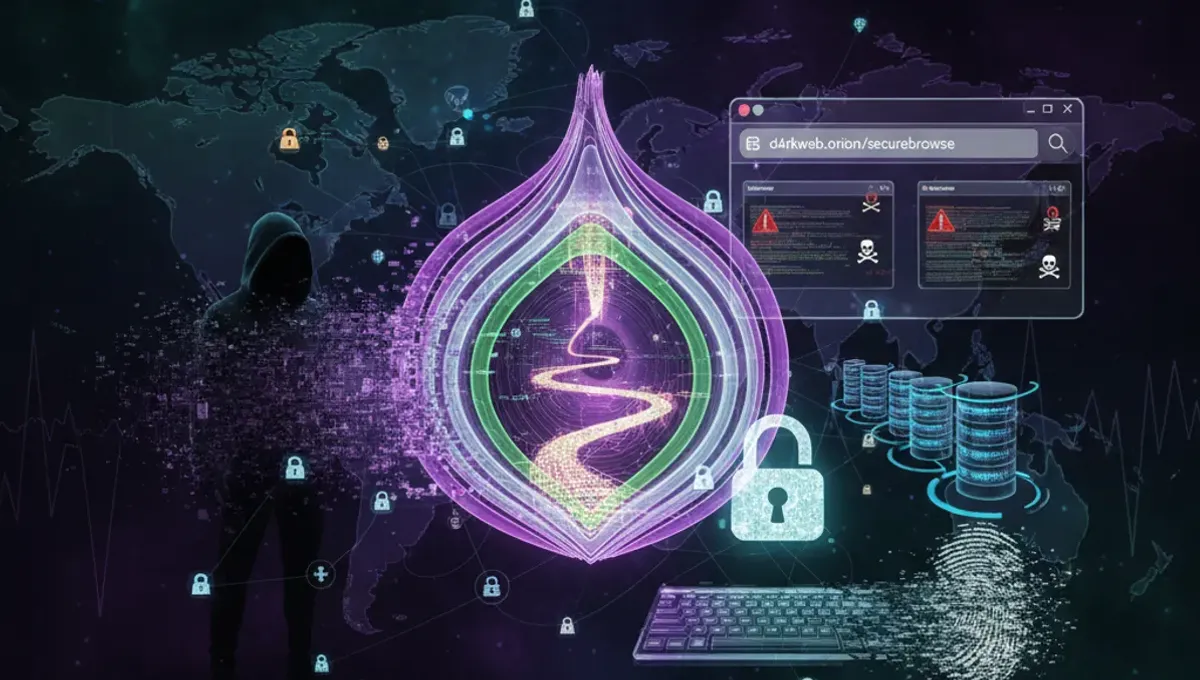
What Is a Dark Web Browser
A dark web browser is software designed to access the Tor network and .onion domains that aren't indexed by conventional search engines. These browsers encrypt your connection through multiple relay points, making it nearly impossible for ISPs or websites to track your activity. The most widely used dark web browser implements the Tor protocol, which was originally developed for protecting sensitive communications. Unlike regular browsers that connect directly to websites, dark web browsers bounce your data through volunteer-operated nodes worldwide. This multi-layering approach adds significant latency but provides anonymity that standard browsing cannot match. The technology itself is neutral—it serves journalists, activists, and privacy-conscious users alongside those seeking illicit content.
How Dark Web Browsers Work
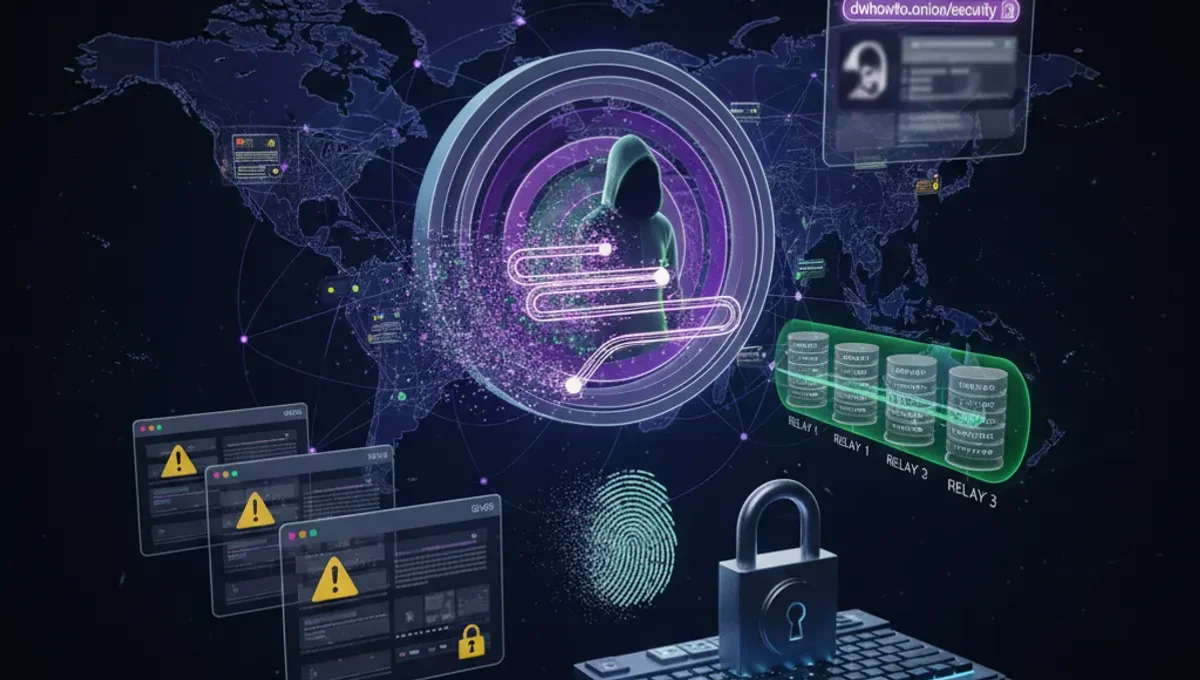
Dark web browsers operate by establishing encrypted circuits through the Tor network before connecting to your destination. When you request a webpage, your browser selects three random relay nodes and encrypts your data three times, with each layer peeling away as it passes through successive relays. This onion-like structure prevents any single node from knowing both your origin and destination simultaneously. The browser handles all technical routing automatically, so users don't need to manually configure proxies or encryption settings. Your ISP sees that you're using Tor but cannot see which sites you visit. Websites you access cannot determine your real IP address, only that you're connecting through the Tor network. This architecture makes dark web browsers fundamentally different from VPNs, which typically use a single encrypted tunnel to a VPN provider's server.
Dark Web Browsers vs. Regular Browsers
Standard web browsers like Chrome or Firefox connect directly to websites, leaving your IP address visible to every site you visit and your ISP. Dark web browsers add multiple layers of anonymity through the Tor network, making tracking significantly more difficult. Regular browsers prioritize speed and convenience, while dark web browsers sacrifice performance for privacy. When using a dark web browser, websites cannot identify you geographically or through your IP address. However, dark web browsers are slower due to routing through multiple relays. They also lack many features of mainstream browsers because adding functionality can create security vulnerabilities. Dark web browsers are intentionally minimal to reduce attack surface. If you need basic privacy, a VPN with a regular browser may suffice. If you need maximum anonymity for accessing onion sites or dark web links, a dedicated dark web browser is necessary.
Best Dark Web Sites and Onion Links
The dark web hosts legitimate resources including privacy-focused email services, secure messaging platforms, and forums for discussing censorship and digital rights. Many journalists and activists use dark web sites to share information in countries with restricted internet access. Libraries of academic papers, books, and historical documents exist on onion networks. Whistleblowing platforms accept anonymous submissions through dark web links. Privacy-focused news organizations maintain onion mirrors of their websites. Some dark web sites provide information about cryptocurrency, cybersecurity, and digital privacy. However, the dark web also hosts illegal marketplaces and content. Not all dark web sites are trustworthy—many contain malware or scams. Accessing dark web links requires caution and verification. Legitimate dark web browsers include built-in protections against malicious scripts and tracking. Always verify the authenticity of onion addresses before visiting, as typosquatting is common on the dark web.
Dark Web Explained: Legal Considerations
Using a dark web browser itself is legal in most countries, including the United States. Accessing the dark web and visiting onion sites for legitimate purposes—research, privacy protection, accessing censored information—is not illegal. However, many activities conducted on the dark web violate laws. Purchasing illegal goods, distributing malware, or accessing child exploitation material through dark web links constitutes criminal activity regardless of anonymity. Law enforcement agencies actively monitor dark web sites and have successfully prosecuted users. Your anonymity on the dark web is not absolute—advanced forensic techniques, malware, and user mistakes can compromise your identity. Using a dark web browser doesn't grant immunity from legal consequences. Some countries restrict or prohibit Tor usage, so check local regulations before accessing dark web browsers. The technology itself remains legal, but your actions while using it determine legality.
Security Risks and Best Practices
Dark web browsers protect your anonymity but don't guarantee security against all threats. Malware-infected onion sites can compromise your device if you download files carelessly. Phishing attacks occur on the dark web just as they do on the regular internet. Some dark web sites are honeypots operated by law enforcement. Malicious actors use dark web links to distribute ransomware and spyware. Best practices include keeping your operating system and dark web browser updated, disabling JavaScript if possible, using a dedicated device or virtual machine, and never maximizing your browser window to prevent fingerprinting. Avoid downloading files unless absolutely necessary, and scan them with antivirus software. Never enable plugins or extensions that could leak your IP address. Don't assume anonymity means safety—many dark web sites contain scams targeting users. Use common sense: if an offer seems too good to be true on the dark web, it probably is. Consider using Tails, a security-focused operating system designed for anonymity.
Legitimate Uses of Dark Web Browsers
Journalists use dark web browsers to communicate securely with sources and access information in countries with censorship. Human rights organizations operate dark web sites to document abuses and coordinate activism. Whistleblowers submit sensitive documents through dark web links to news organizations and transparency platforms. Activists in oppressive regimes use dark web browsers to organize and share information freely. Researchers study internet privacy, security vulnerabilities, and censorship resistance using the dark web. Privacy advocates use dark web browsers to protect their communications from surveillance. Academics access restricted research and historical documents. Some individuals simply value privacy and use dark web browsers for general browsing. Libraries and educational institutions maintain onion mirrors to ensure access to information during internet shutdowns. The dark web explained through these legitimate applications shows that anonymity technology serves important purposes beyond illegal activity.
Frequently asked questions
Is using a dark web browser illegal?
No, using a dark web browser is legal in most countries. The Tor network and dark web browsers are legitimate tools for privacy and anonymity. However, illegal activities conducted through dark web browsers remain illegal. Your actions while using the browser determine legality, not the software itself.
Can I be traced while using a dark web browser?
Dark web browsers provide strong anonymity, but tracing is possible through advanced techniques, malware, or user error. Law enforcement has successfully identified dark web users through forensic analysis and operational security mistakes. Your anonymity is not absolute, and assuming complete untraceability is dangerous.
What's the difference between dark web sites and regular websites?
Dark web sites use .onion domains and exist on the Tor network, making them inaccessible through regular browsers. They're not indexed by search engines and require specific onion links to access. Regular websites use standard domains and are accessible through any browser.
Are all dark web links dangerous?
Not all dark web links are dangerous, but many contain malware, scams, or illegal content. Legitimate dark web sites exist for privacy, journalism, and activism. Exercise caution, verify sources, and avoid downloading files from untrusted onion sites.
Why is a dark web browser slower than regular browsers?
Dark web browsers route traffic through multiple encrypted relays across the Tor network before reaching your destination. This multi-layering provides anonymity but adds latency. Each relay adds processing time, resulting in noticeably slower browsing compared to direct connections.