What Is the Dark Web
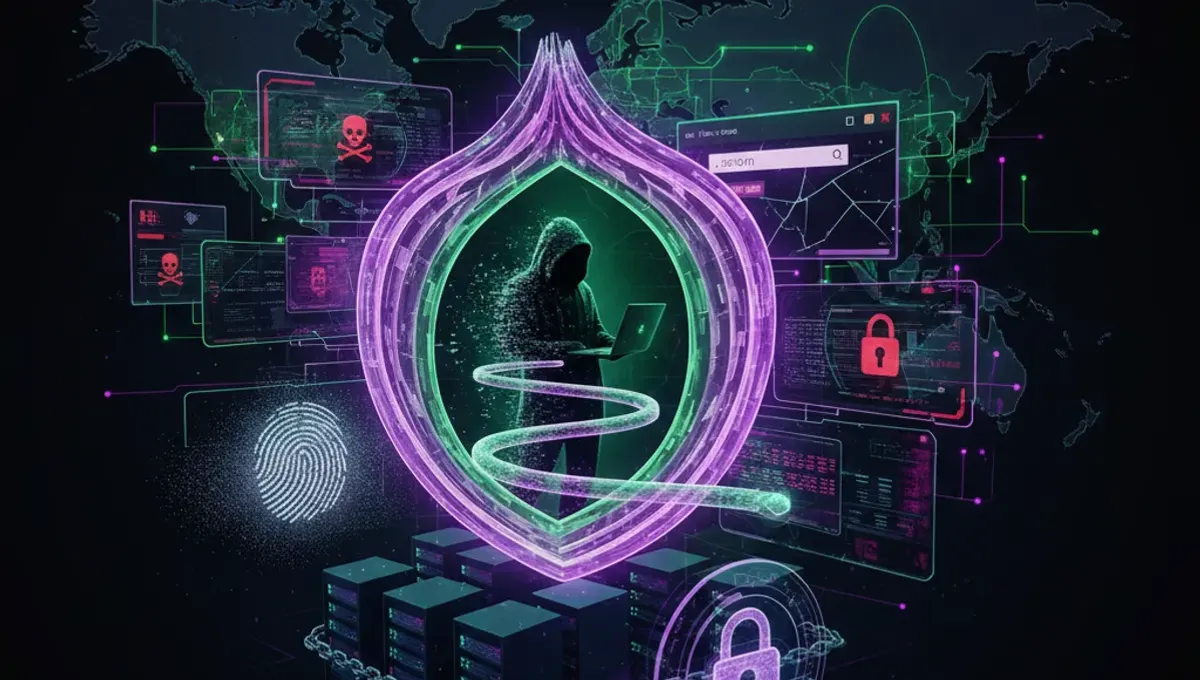
The dark web refers to encrypted networks that exist on top of the internet but require authorization and specific software to access. Unlike the surface web you use daily, dark web content isn't indexed by Google or other search engines. The most well-known dark web network is Tor, which routes traffic through multiple relays to anonymize users. This layered approach makes it difficult to trace user activity back to their original IP address. The dark web isn't inherently illegal; it's simply a tool designed to provide privacy and anonymity for users who need it.
How Dark Web Browsers Work
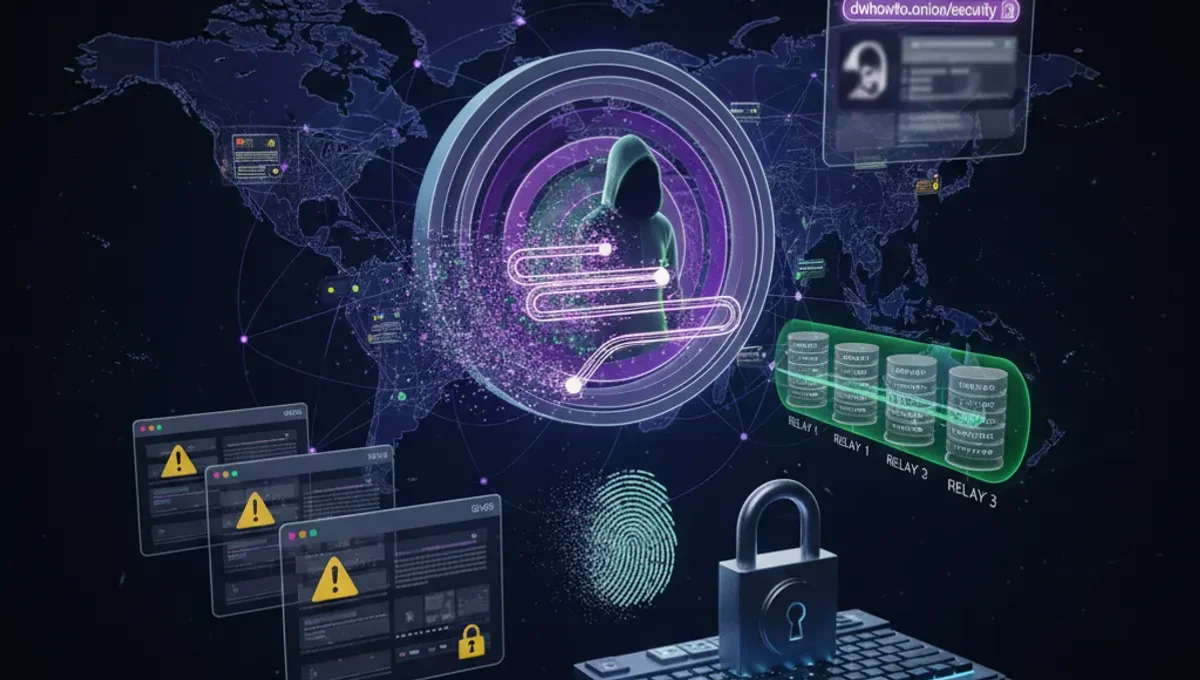
A dark web browser, most commonly Tor Browser, encrypts your internet traffic and routes it through a series of volunteer-operated servers worldwide. Each relay removes one layer of encryption, similar to peeling an onion, which is why dark web sites often use .onion domain extensions. This multi-hop routing makes it extremely difficult for internet service providers or network administrators to monitor your activity. The browser also disables certain browser features that could compromise anonymity, like JavaScript in some contexts. Using a dark web browser is legal in most countries, though accessing certain content through it may not be.
Legitimate Uses of the Dark Web
Journalists, activists, and whistleblowers use the dark web to communicate securely and share sensitive information without government surveillance. Political dissidents in restrictive countries rely on dark web access to organize and share information freely. Researchers study dark web networks to understand cybercrime and improve security. Privacy advocates use it to protect personal data from corporate tracking. Medical professionals in certain regions use dark web sites to access healthcare information without censorship. These legitimate applications demonstrate why the dark web exists and why many people consider it an important tool for freedom of expression and privacy.
Dark Web Sites and Onion Links
Dark web sites operate on hidden services and use .onion addresses instead of traditional domain names. These onion links are long, seemingly random character strings that direct you to specific hidden services. Finding dark web sites requires knowledge of specific addresses or directories, as they don't appear in search results. Some dark web sites provide forums for discussion, marketplaces for goods, or information repositories. The quality and legality of these sites varies dramatically. Many are abandoned or honeypots set up by law enforcement. Accessing any dark web site carries risks, including exposure to illegal content, malware, and scams.
Risks and Dangers of the Dark Web
The dark web hosts illegal marketplaces, stolen data sales, and malware distribution alongside legitimate content. Users face risks from law enforcement surveillance, criminal actors, and malicious software. Scams are common, with vendors disappearing after payment or delivering nothing. Accidentally accessing illegal content can have legal consequences in many jurisdictions. Malware specifically designed to compromise Tor users circulates on dark web sites. Even legitimate dark web browsers can be vulnerable if not kept updated. The anonymity that protects journalists also protects criminals, making it difficult to distinguish trustworthy services from dangerous ones.
Legal Considerations and Safety Practices
Accessing the dark web itself is legal in most countries, but many activities conducted there are not. Purchasing illegal goods, viewing illegal content, or engaging in fraud carries serious criminal penalties. Law enforcement agencies actively monitor dark web activity and have successfully prosecuted users. If you choose to access the dark web, use updated security software, keep your operating system patched, and consider using a dedicated virtual machine. Never maximize your browser window, as this can reveal your screen resolution and compromise anonymity. Assume that any dark web site could be operated by law enforcement or criminals. The safest approach is to avoid the dark web entirely unless you have a specific legitimate need.
Dark Web vs. Deep Web
The terms are often confused but refer to different things. The deep web includes any internet content not indexed by search engines, such as email accounts, medical records, and subscription services. The dark web is a small portion of the deep web that has been intentionally hidden and requires specific software to access. Most of the deep web is completely legal and mundane. The dark web represents a tiny fraction of internet content but receives disproportionate media attention. Understanding this distinction helps clarify that most non-indexed internet content is ordinary and legitimate, while the dark web specifically emphasizes anonymity and encryption.
Frequently asked questions
Is it illegal to access the dark web?
Accessing the dark web itself is legal in most countries. However, many activities conducted on the dark web are illegal, including purchasing contraband, viewing illegal content, or engaging in fraud. Law enforcement actively monitors dark web activity, and users can face serious criminal charges for illegal conduct.
What is a .onion address?
A .onion address is a special domain extension used for hidden services on the Tor network. These addresses are long strings of characters that direct you to specific dark web sites. They're generated cryptographically and don't correspond to traditional IP addresses, providing additional anonymity for both users and site operators.
Can I be traced on the dark web?
While the dark web provides significant anonymity, it's not completely untraceable. Law enforcement has successfully identified and prosecuted dark web users through various methods, including malware, operational security mistakes, and cooperation from service providers. Maintaining anonymity requires constant vigilance and technical knowledge.
What's the difference between the dark web and the deep web?
The deep web includes all non-indexed internet content like email and medical records. The dark web is a small portion of the deep web intentionally hidden and requiring specific software like Tor Browser to access. Most deep web content is legal and ordinary.
Are there legitimate reasons to use the dark web?
Yes. Journalists, activists, and whistleblowers use the dark web to communicate securely and share sensitive information. Political dissidents use it to organize freely. Researchers study it to understand cybercrime. However, most people don't need to access the dark web for legitimate purposes.